





Construction process

The ‘construction process’ (sometimes called the ‘construction stage’) is the physical processes of building, landscaping or refurbishing plus all the associated activities, such as demolition, site clearance, administration and so on.
Construction works are typically carried out by contractors, although in the housing sector, contractors may be referred to as builders or housebuilders, and contractors may appoint subcontractors and other suppliers to carry out some or all of the works.
The process may start, following a procurement process, with handover of the site from the client to the contractor and end with handing back a completed project to the client. It does not include pre-construction activities such as preparation of the brief, forming a design team or design and so on, although these activities may be carried out at the same time as construction.
The following processes can form part of the construction process:
- Mobilisation.
- Demolition.
- Site clearance.
- Erection of hoardings, welfare facilities and so on.
- Setting out.
- Excavation.
- Installation of foundations.
- Frame construction.
- Cladding installation.
- Fitting out.
- Landscaping and highways.
See Construction works for more information.
In terms of the work stages of the RIBA Plan of Work, the construction process can be said to start at stage 5 and finish at the end of stage 6, as shown below.
- 0 - Strategic definition.
- 1 - Preparation and brief.
- 2 - Concept design.
- 3 - Developed design.
- 4 - Technical design.
- 5 - Construction.
- 6 - Handover and close out.
- 7 - In use.
The site is generally handed back to the client after certification of practical completion. This followed by a defects liability period, during which any defect that become apparent may be rectified by the contractor. There is some debate about when practical completion can be certified and whether it can be certified where there are very minor (de minimis) items 'not affecting beneficial occupancy' that remain incomplete. For more information see: Practical completion.
The contractor may still be liable for damages, for breach of contract, or for negligence after the defects liability period if latent defects become apparent. See Latent defects for more information.
[edit] Related articles on Designing Buildings Wiki
Featured articles
Check out some of the best features and news from Designing Buildings as well as key stories from around the web.
Building Regulations and Building Safety Act

CIOB publishes free advice for non-domestic clients.

Building Safety Newsletter from MHCLG.
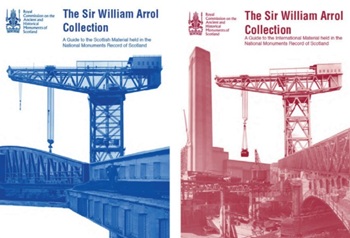
An extraordinary record of steel engineering worldwide.

Households living near new pylons to save on bills.

ECA warns growth must not outpace grid capacity or skills.
The role of the client and decision making

CIOB response to built environment professions call for evidence.
Construction's sustainability reporting revolution
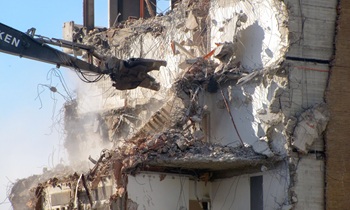
Tracking upfront embodied carbon with digital tools.
ECA welcomes procurement reforms

Public spending must back British jobs and skills.
Campaigning for Edinburgh: the Cockburn Association 1875-2049

The role of the civic voice in protecting character. Book review.
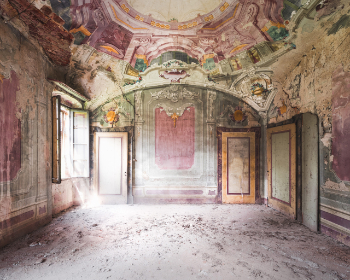
CIOB photography competition is open for entries.
ECA Edmundson apprentice of the year award

Finalists announced.
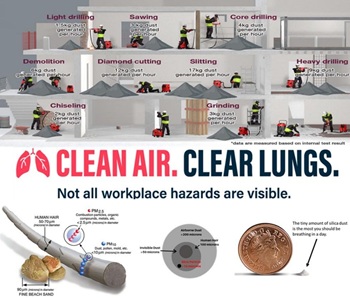
Major new study exposes serious knowledge gaps.